Rinconada Map

KULTRA · Municipality Profile

Iriga City

Discover the story of this municipality

Iriga City 9 archive items 1 festival

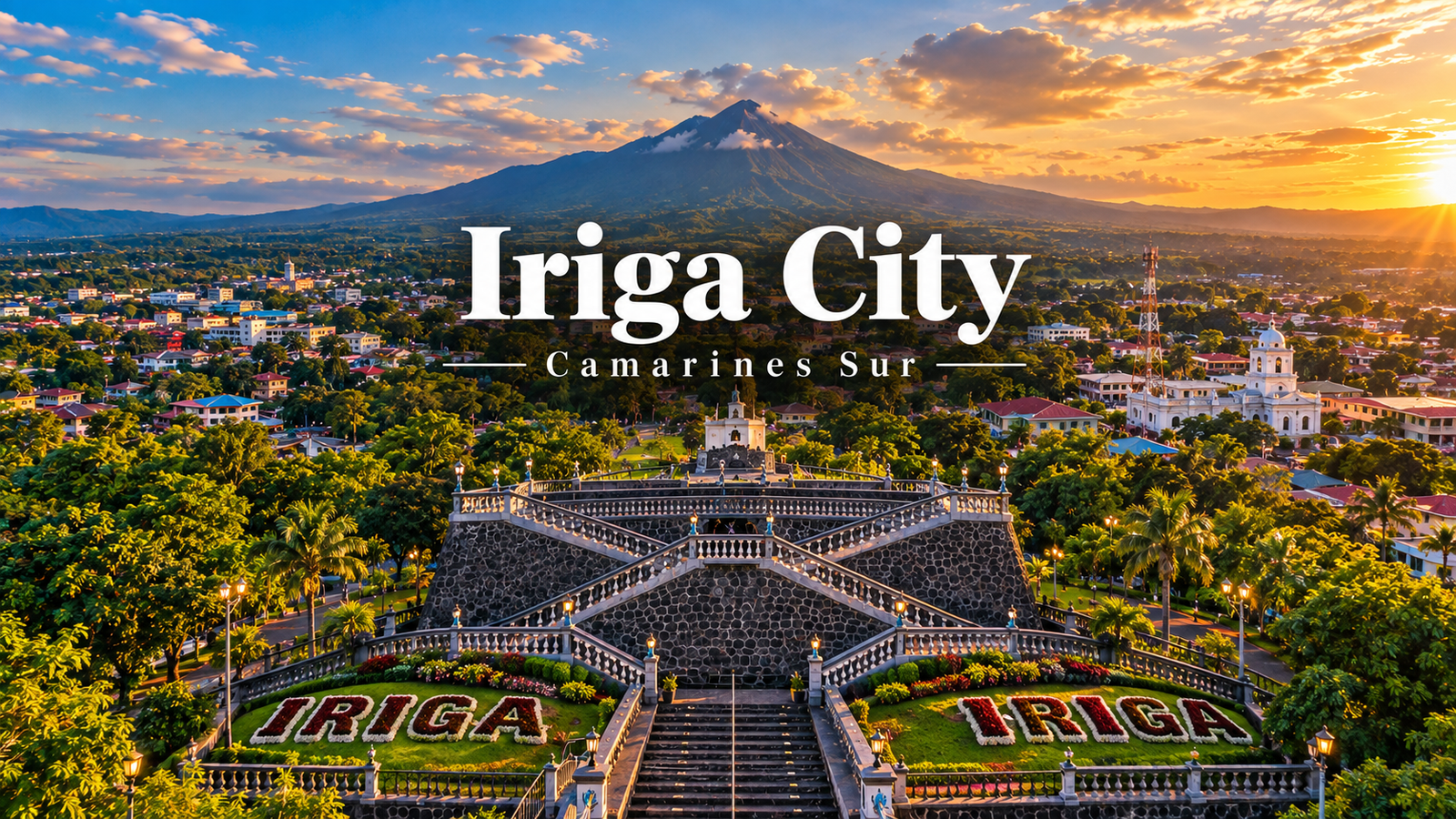
Iriga City is a historic urban center in the Rinconada area, known for its agricultural heritage, natural resources, and distinctive Iriga and Rinconada culture. Founded as a municipality in 1683 and established as a city in 1968, it has developed into an important center of trade and commerce in the region.

Discover Iriga City

Interactive map

Rinconada municipalities

Highlighted boundary: Iriga City

Municipality profile

History & Background

Iriga City, known as the “City of Springs,” is a highly important cultural, agricultural, educational, and commercial center of the Rinconada area. It is located between Naga City and Legazpi City and serves as a major center of trade and commerce for the surrounding municipalities. The city's economy is strongly based on agriculture, with coconut, banana, corn, vegetables, and other crops among its major products.

Iriga's history traces back to 1578, when the I-raga settlement was established as a visita of Nabua. It became a pueblo in 1683, and in 1968, Iriga was formally organized and inaugurated as the third city in the Bicol Region under Republic Act No. 5261.

Source: iriga.gov.ph

Documented heritage

Cultural Contributions

Iriga City is part of the shared traditions and cultural life of Rinconada.

4

Local artists

Explore Iriga City

Discover the story of this municipality

Iriga City, known as the “City of Springs,” is a highly important cultural, agricultural, educational, and commercial center of the Rinconada area. It is located between Naga City and Legazpi City and serves as a major center of trade and commerce for the surrounding municipalities. The city's economy is strongly based on agriculture, with coconut, banana, corn, vegetables, and other crops among its major products.

Source: iriga.gov.ph

Iriga's history traces back to 1578, when the I-raga settlement was established as a visita of Nabua. It became a pueblo in 1683, and in 1968, Iriga was formally organized and inaugurated as the third city in the Bicol Region under Republic Act No. 5261.

Source: iriga.gov.ph

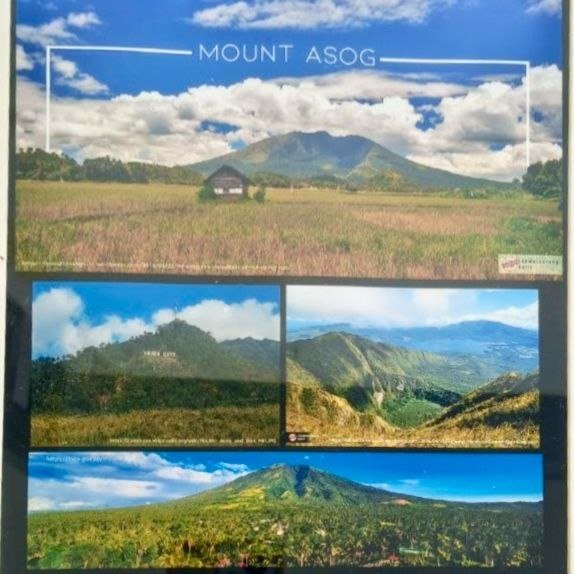
The city is particularly known for Mt. Iriga/Mt. Asog, Tinagba Festival, traditional Irigueño cuisine, indigenous crafts, springs and waterfalls, and its agricultural heritage. The city government also identifies Iriga's culinary heritage as an important part of its cultural identity.

Source: iriga.gov.ph

At a glance

Iriga City

Explore more

Browse this municipality's gallery and local map entries.

Continue exploring

More Rinconada Municipalities

Baao Baao is a historic Rinconada community known for its agricultural heritage, traditional craftsmanship, religious history, and notable people. Its culture has been shaped by farming, fishing, weaving, faith, and long-standing community traditions. Balatan Balatan, Camarines Sur is a coastal municipality whose identity is strongly connected to agriculture, fishing, and marine resources. Its coastal communities and fishing traditions reflect the importance of the sea to the local economy and way of life. Bato Bato, Camarines Sur is a lakeside municipality established in 1753 and centered around Lake Bato. Its identity is closely connected to agriculture, fishing, freshwater resources, and the sinarapan, making its natural environment an important part of its cultural heritage. Buhi Buhi, Camarines Sur is a lakeside municipality known for Lake Buhi, the sinarapan, and its rich agricultural and fishing heritage. Surrounded by mountains and freshwater resources, the community's culture and livelihood are closely connected to its natural environment. Bula Bula, Camarines Sur is one of the province's oldest municipalities, established in 1578. It is an agricultural community known for its rice fields, coconut, corn, and other crops, with a history shaped by its long-standing communities and traditions. Nabua Nabua, Camarines Sur is a historic Rinconada municipality known for its deep religious heritage, agricultural traditions, and vibrant community celebrations. Its long history and cultural traditions make it an important part of the Rinconada area's heritage.

Explore More About Camarines Sur

Discover the rich cultural heritage of all municipalities in the region