Rinconada Map

KULTRA · Municipality Profile

Baao

Discover the story of this municipality

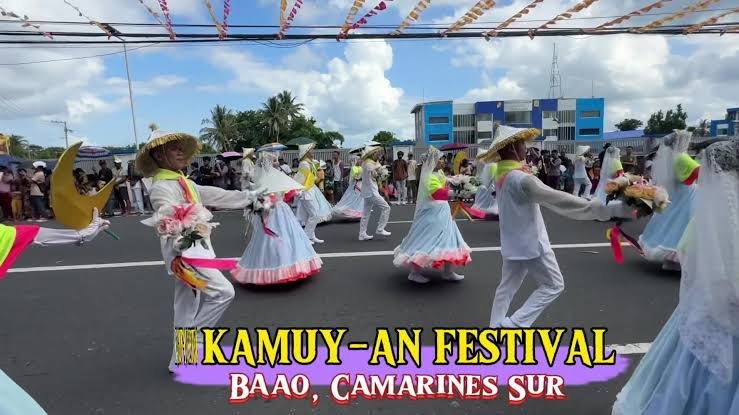
Baao 17 archive items 1 festival

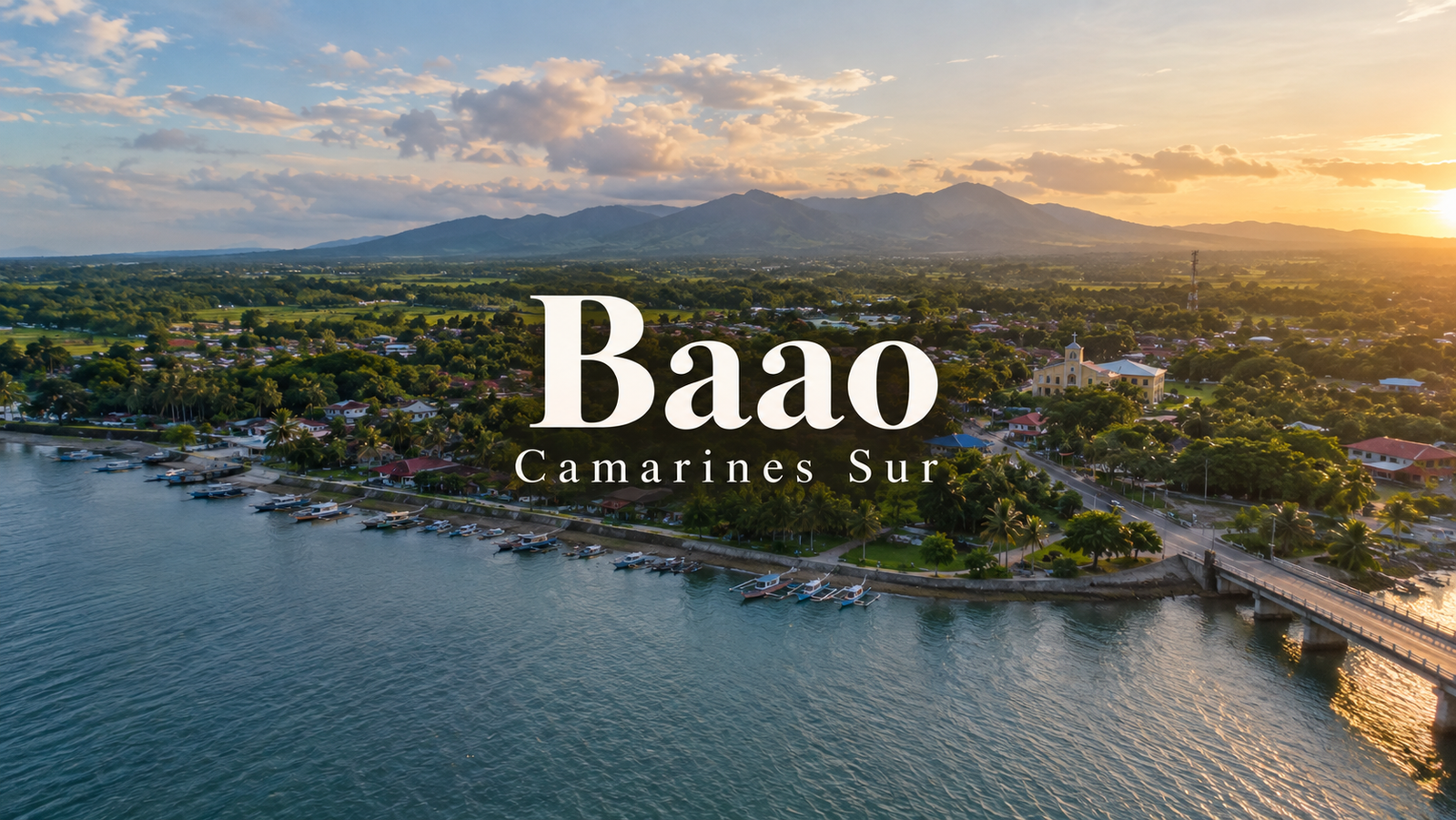
Baao is a historic Rinconada community known for its agricultural heritage, traditional craftsmanship, religious history, and notable people. Its culture has been shaped by farming, fishing, weaving, faith, and long-standing community traditions.

Discover Baao

Interactive map

Rinconada municipalities

Highlighted boundary: Baao

Municipality profile

History & Background

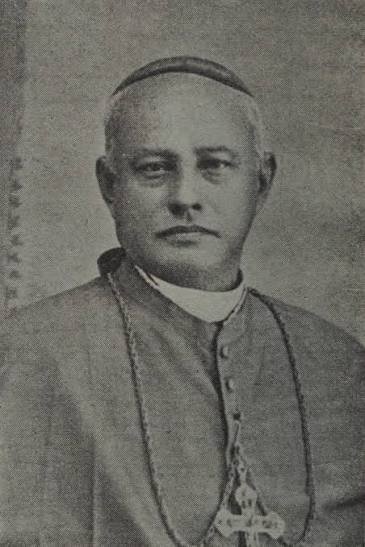
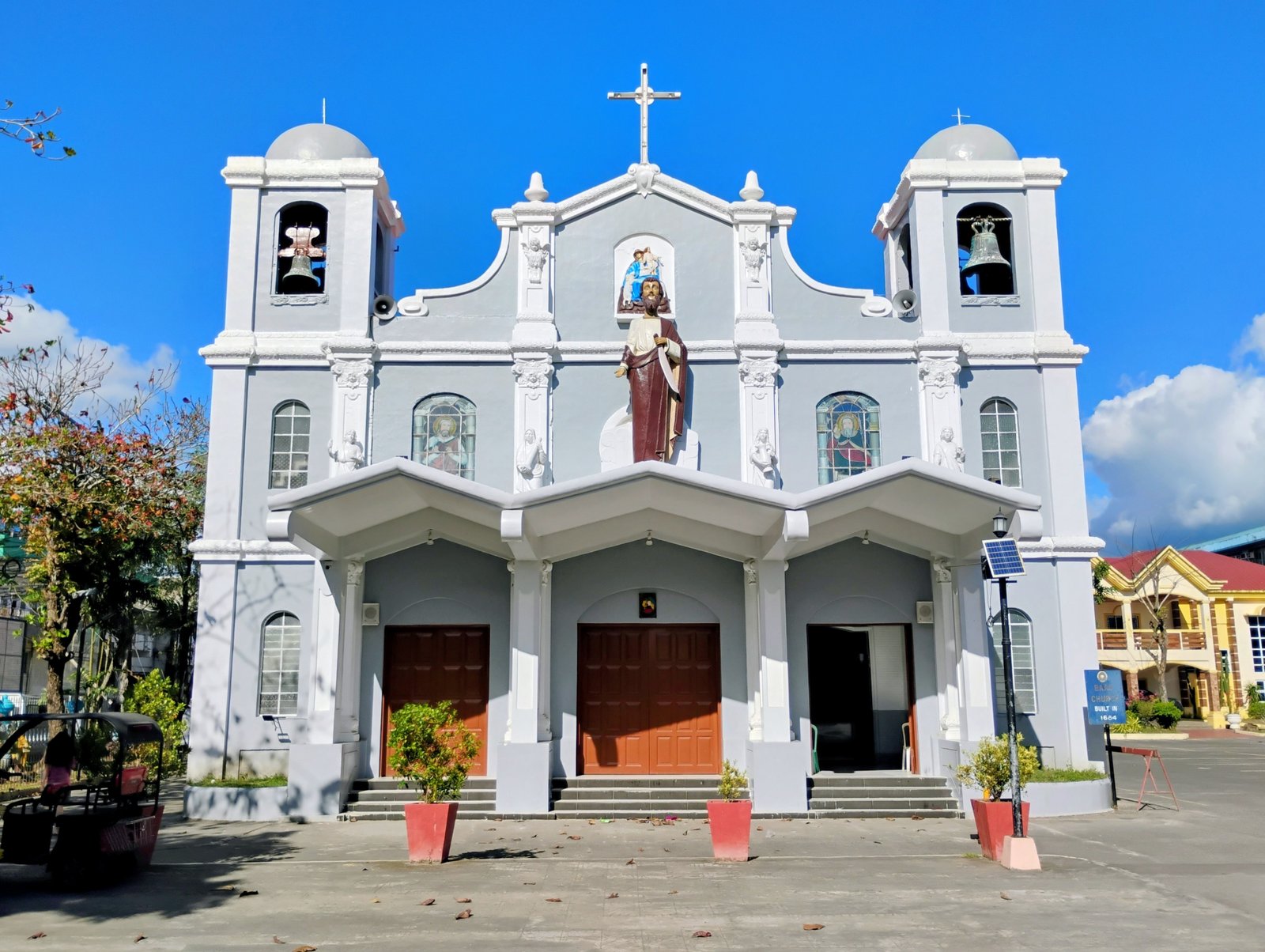
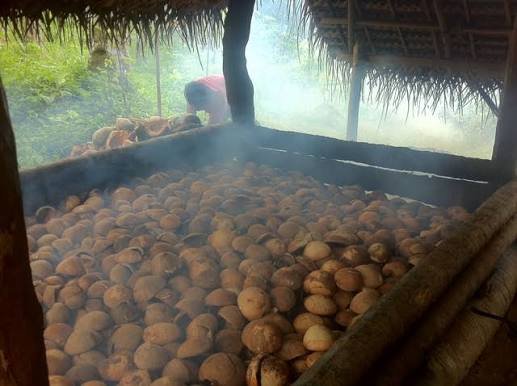
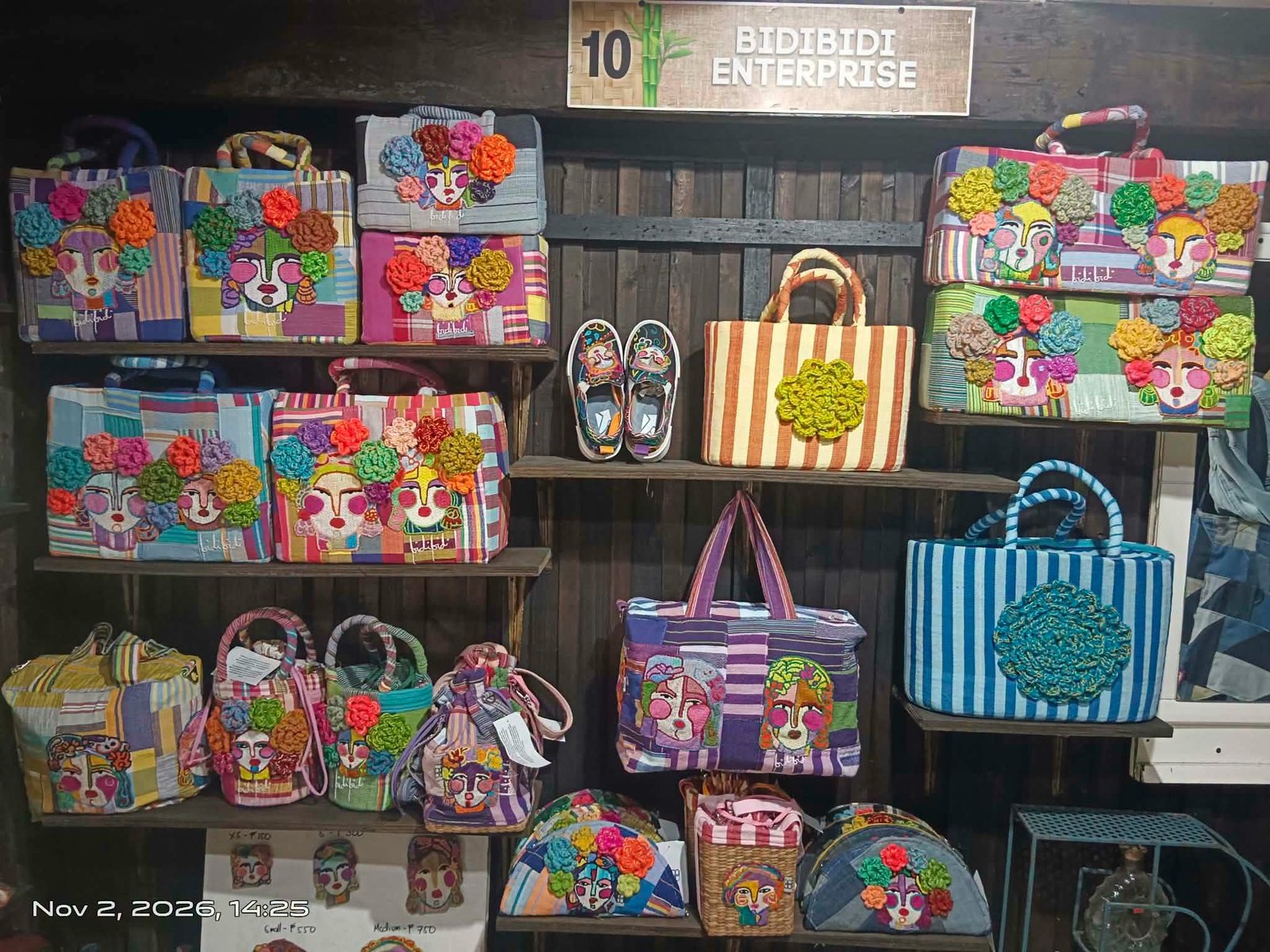
Baao is one of the oldest municipalities in Camarines Sur, with the municipal government tracing its establishment to 1590. Baao is known for its agricultural heritage, particularly rice and coconut farming, as well as its history of craftsmanship, weaving, fishing, and religious traditions. The municipality currently has 30 barangays. Baao is also historically significant as the birthplace of Msgr. Jorge I. Barlin, recognized as the first Filipino Catholic bishop.

Documented heritage

Cultural Contributions

Baao is part of the shared traditions and cultural life of Rinconada.

4

Local artists

Explore Baao

Discover the story of this municipality

Baao is one of the oldest municipalities in Camarines Sur, with the municipal government tracing its establishment to 1590. Baao is known for its agricultural heritage, particularly rice and coconut farming, as well as its history of craftsmanship, weaving, fishing, and religious traditions. The municipality currently has 30 barangays. Baao is also historically significant as the birthplace of Msgr. Jorge I. Barlin, recognized as the first Filipino Catholic bishop.

At a glance

Baao

Explore more

Browse this municipality's gallery and local map entries.

Continue exploring

More Rinconada Municipalities

Balatan Balatan, Camarines Sur is a coastal municipality whose identity is strongly connected to agriculture, fishing, and marine resources. Its coastal communities and fishing traditions reflect the importance of the sea to the local economy and way of life. Bato Bato, Camarines Sur is a lakeside municipality established in 1753 and centered around Lake Bato. Its identity is closely connected to agriculture, fishing, freshwater resources, and the sinarapan, making its natural environment an important part of its cultural heritage. Buhi Buhi, Camarines Sur is a lakeside municipality known for Lake Buhi, the sinarapan, and its rich agricultural and fishing heritage. Surrounded by mountains and freshwater resources, the community's culture and livelihood are closely connected to its natural environment. Bula Bula, Camarines Sur is one of the province's oldest municipalities, established in 1578. It is an agricultural community known for its rice fields, coconut, corn, and other crops, with a history shaped by its long-standing communities and traditions. Iriga City Iriga City is a historic urban center in the Rinconada area, known for its agricultural heritage, natural resources, and distinctive Iriga and Rinconada culture. Founded as a municipality in 1683 and established as a city in 1968, it has developed into an important center of trade and commerce in the region. Nabua Nabua, Camarines Sur is a historic Rinconada municipality known for its deep religious heritage, agricultural traditions, and vibrant community celebrations. Its long history and cultural traditions make it an important part of the Rinconada area's heritage.

Heritage of Baao

Ba-o

Ba-o

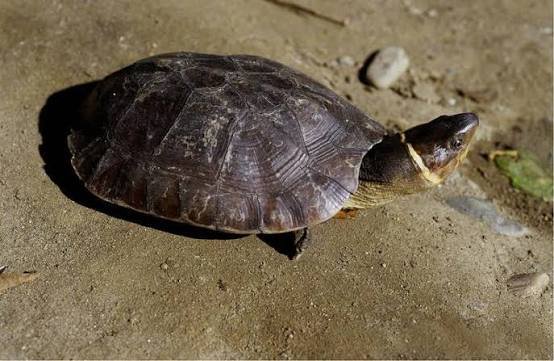
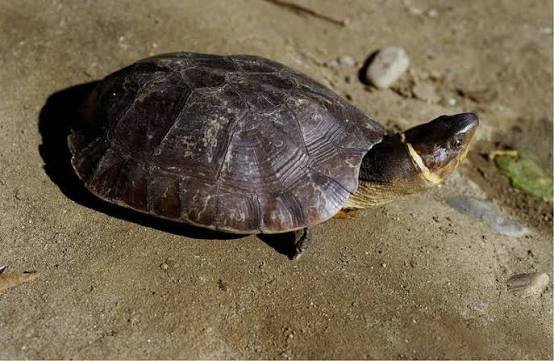
According to one oral tradition, the town of Baao got its name from the local term, bao-o, or freshwater turtles. These reptiles were said to be once abundant in the wetlands surrounding the pre-Hispanic settlements of neighboring Binanuaanan, Layuan and Binabaloy and may have used the higher and drier lands of these settlements as nesting sites. Located on fair-sized bacolods or mounds roughly in the shape of turtle carapaces and higher than the marshes, swamps and lakes of the southern Bicol River valley, these three early Baao settlements may have been generically known as kaba-o-o-wan; or in the present contracted word form, kaba-awan.

View Details →
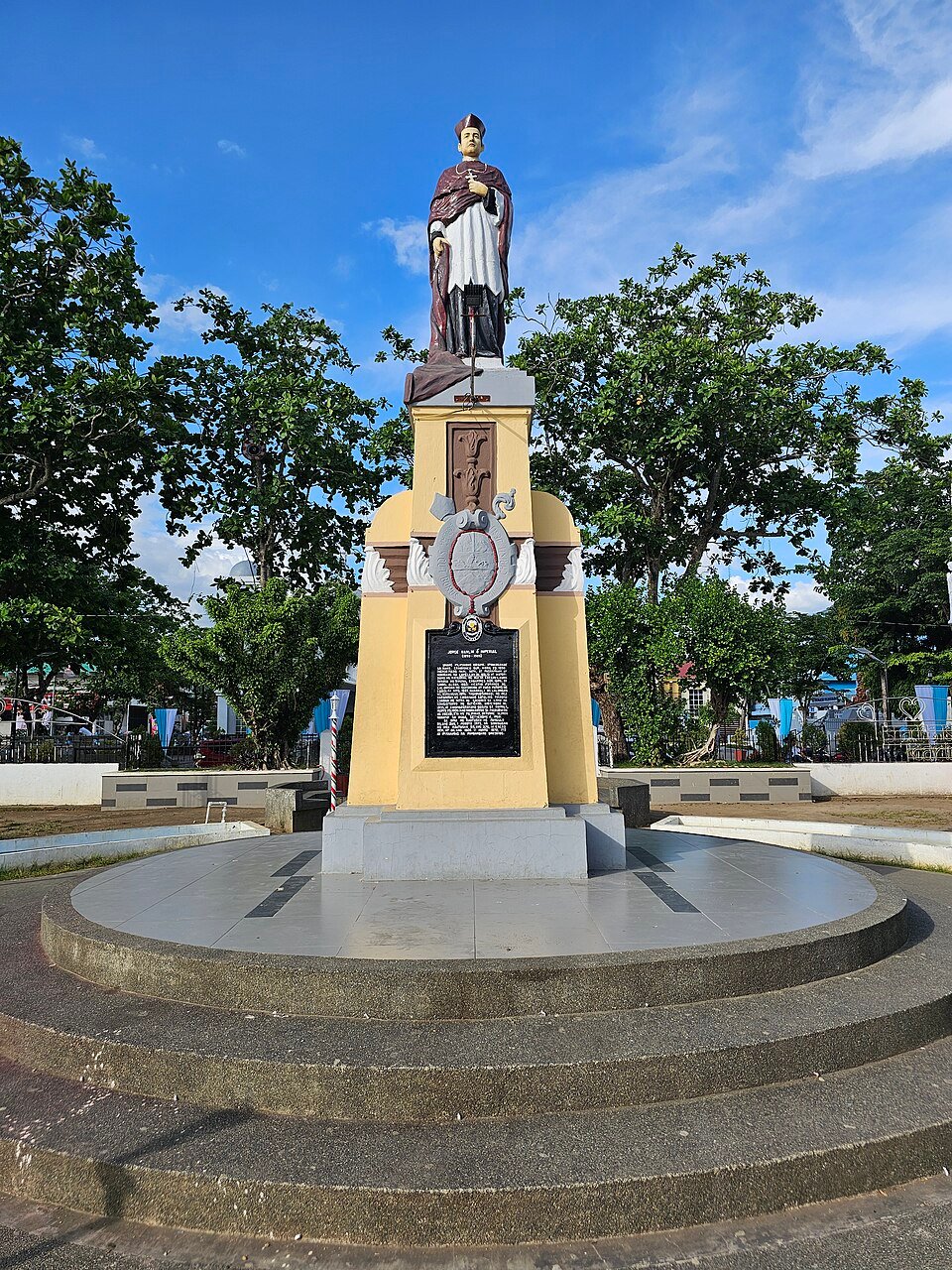
Jorge Barlin National Monument

Jorge Barlin National Monument

First Filipino Bishop. Born in Baao, Camarines Sur, on April 23, 1850. Ordained as a priest in 1874, and subsequently appointed as Capellan de Solio and Mayordomo of the Cathedral of Nueva Caceres. Parish priest of Siruma, Camarines Sur, in 1880, and Libog, Albay, in 1883; Vicario Foraneo of the province of Sorsogon and parish priest of its capital in 1887. He governed the province of Sorsogon and defended the rights of the Catholic Church. He was granted the miter of Caceres in a secret consistory at the Vatican on December 14, 1905, and consecrated as bishop in Manila on June 29, 1906. He delivered the invocation at the opening of the Philippine Assembly on October 16, 1907. Died in Rome on September 4, 1909. By virtue of Presidential Decree No. 260, dated August 1, 1973, as amended by Decree No. 375 on January 15, 1974, and Decree No. 1505 on June 11, 1978, this site is declared a national monument.

View Details →

Explore More About Camarines Sur

Discover the rich cultural heritage of all municipalities in the region