KULTRA Digital Museum
Explore documented cultural places, community histories, and heritage landmarks across Rinconada.
Rinconada Region
Select a municipality or click its boundary to explore the seven Rinconada communities.
Loading municipality boundaries…
Rinconada Municipalities
Click a municipality to highlight its boundaries on the map
Choose a destination or click a marker to start directions.
Other
A Falls that located in Buhi Camarines Sur
Other
Buhi, officially the Municipality of Buhi, is a municipality in the province of Camarines Sur, Philippines. According to the 2024 census, it has a population of 78,104 people. The town is known for its Lake Buhi where sinarapan is located, the world's smallest edible fish.
History
Iriga City is a highly urbanized city in the province of Camarines Sur, Philippines. It is known for its rich agricultural products, particularly pili nuts and coffee.
History
Bato is a municipality in Camarines Sur. Known for its agricultural lands and historical significance in the region.
History
Baao is a small municipality in Camarines Sur with beautiful natural attractions and cultural heritage.
Other
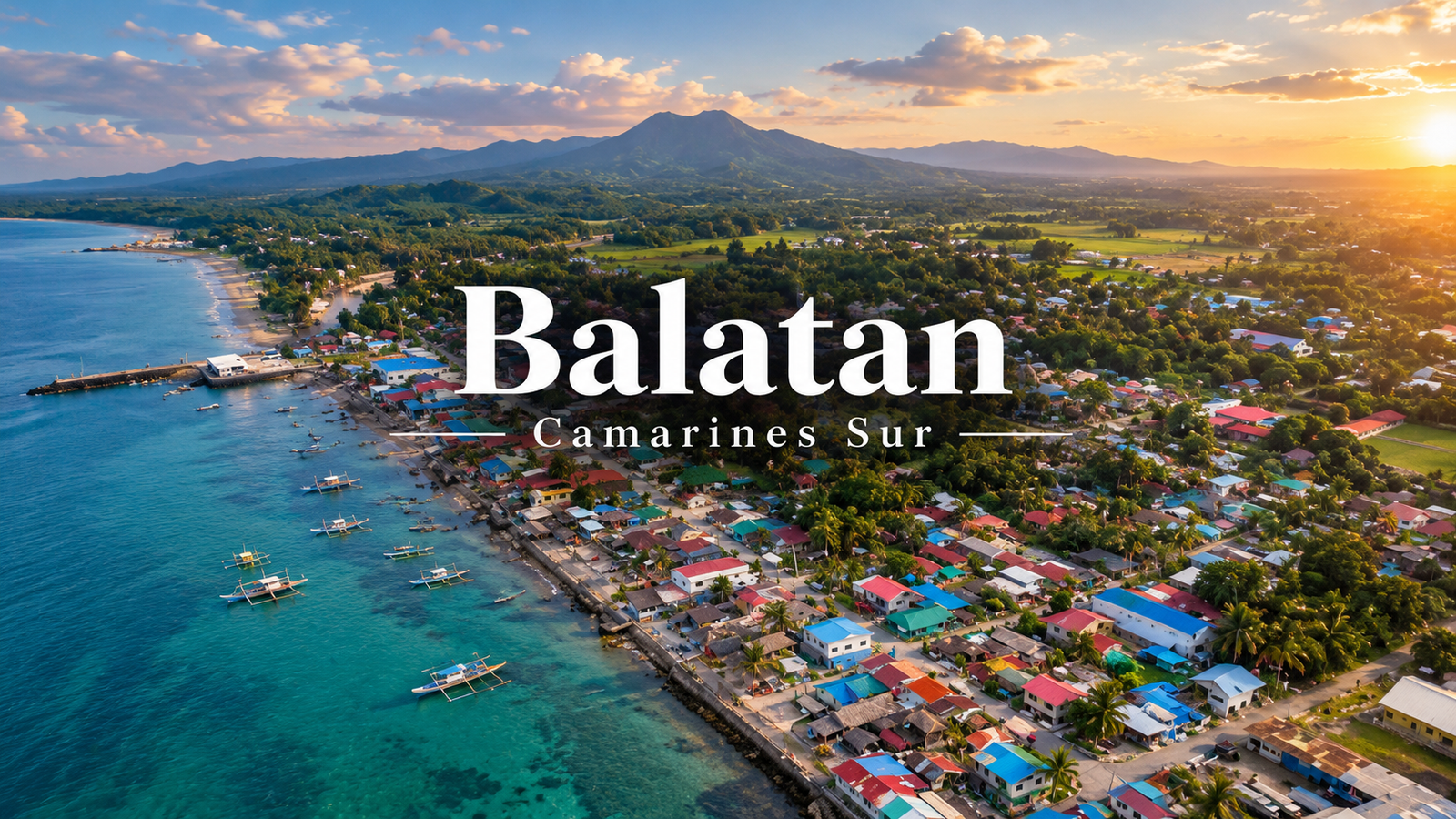
Balatan is one of the municipalities in Camarines Sur, characterized by its scenic landscape and welcoming community.
Other
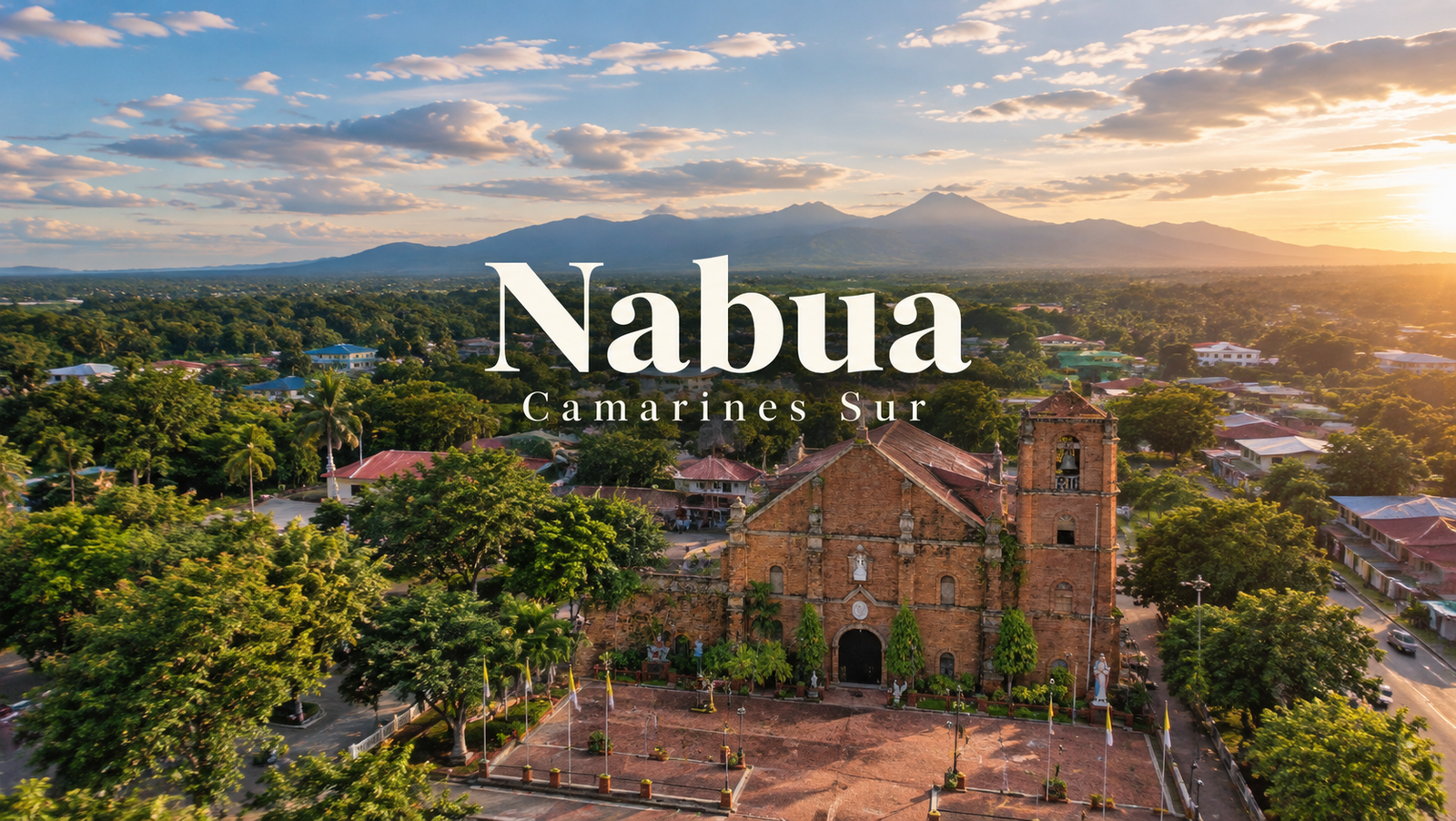
Nabua is a municipality known for its agricultural and fishing industries, located in the heart of Camarines Sur.
Other
Bula
History
Dedicated to preserving and promoting the traditional handloom weaving heritage of the region. The name "Hataw" means "Swaying in the Rhythm of the Weaves," reflecting the harmonious process of handweaving, where each movement of the weaver's hands and feet creates a pattern that resonates with cultural significance and artistic expression.
Church
Catholic church
Church
Saint Francis of Assisi Parish Church, commonly known as Buhi Church, is a Roman Catholic church located in Buhi, Camarines Sur, Philippines. It is under the jurisdiction of the Archdiocese of Caceres. An early Church built close to Lake Buhi was destroyed by fire in 1730. Another Church was finished in 1735 and was damaged at various times by earthquakes. The present church was built by Rev. Angel Malumbre, O.F.M. between 1870 and 1884. The roof was destroyed by fire and fully repaired in 1890. The National Historical Commission of the Philippines declared it a national historical landmark in 1938.
Weaving
Monuments
Ancestral Houses
Other
A Falls that located in Buhi Camarines Sur
Other
Buhi, officially the Municipality of Buhi, is a municipality in the province of Camarines Sur, Philippines. According to the 2024 census, it has a population of 78,104 people. The town is known for its Lake Buhi where sinarapan is located, the world's smallest edible fish.
History
Iriga City is a highly urbanized city in the province of Camarines Sur, Philippines. It is known for its rich agricultural products, particularly pili nuts and coffee.
History
Bato is a municipality in Camarines Sur. Known for its agricultural lands and historical significance in the region.
History
Baao is a small municipality in Camarines Sur with beautiful natural attractions and cultural heritage.
Other
Balatan is one of the municipalities in Camarines Sur, characterized by its scenic landscape and welcoming community.
Other
Nabua is a municipality known for its agricultural and fishing industries, located in the heart of Camarines Sur.
Other
Bula
History
Dedicated to preserving and promoting the traditional handloom weaving heritage of the region. The name "Hataw" means "Swaying in the Rhythm of the Weaves," reflecting the harmonious process of handweaving, where each movement of the weaver's hands and feet creates a pattern that resonates with cultural significance and artistic expression.
Church
Catholic church
Church
Saint Francis of Assisi Parish Church, commonly known as Buhi Church, is a Roman Catholic church located in Buhi, Camarines Sur, Philippines. It is under the jurisdiction of the Archdiocese of Caceres. An early Church built close to Lake Buhi was destroyed by fire in 1730. Another Church was finished in 1735 and was damaged at various times by earthquakes. The present church was built by Rev. Angel Malumbre, O.F.M. between 1870 and 1884. The roof was destroyed by fire and fully repaired in 1890. The National Historical Commission of the Philippines declared it a national historical landmark in 1938.
Weaving
Monuments
Ancestral Houses
Experience the natural beauty and culture of Bula.
AI powered support
Hi! How can I help you today?