Rinconada Map

KULTRA · Municipality Profile

Buhi

Buhi: Home of the Pristine Lake, Majestic Mountains, and the World's Smallest Fish

Buhi 10 archive items 1 festival

Buhi, Camarines Sur is a lakeside municipality known for Lake Buhi, the sinarapan, and its rich agricultural and fishing heritage. Surrounded by mountains and freshwater resources, the community's culture and livelihood are closely connected to its natural environment.

Discover Buhi

Interactive map

Rinconada municipalities

Highlighted boundary: Buhi

Municipality profile

History & Background

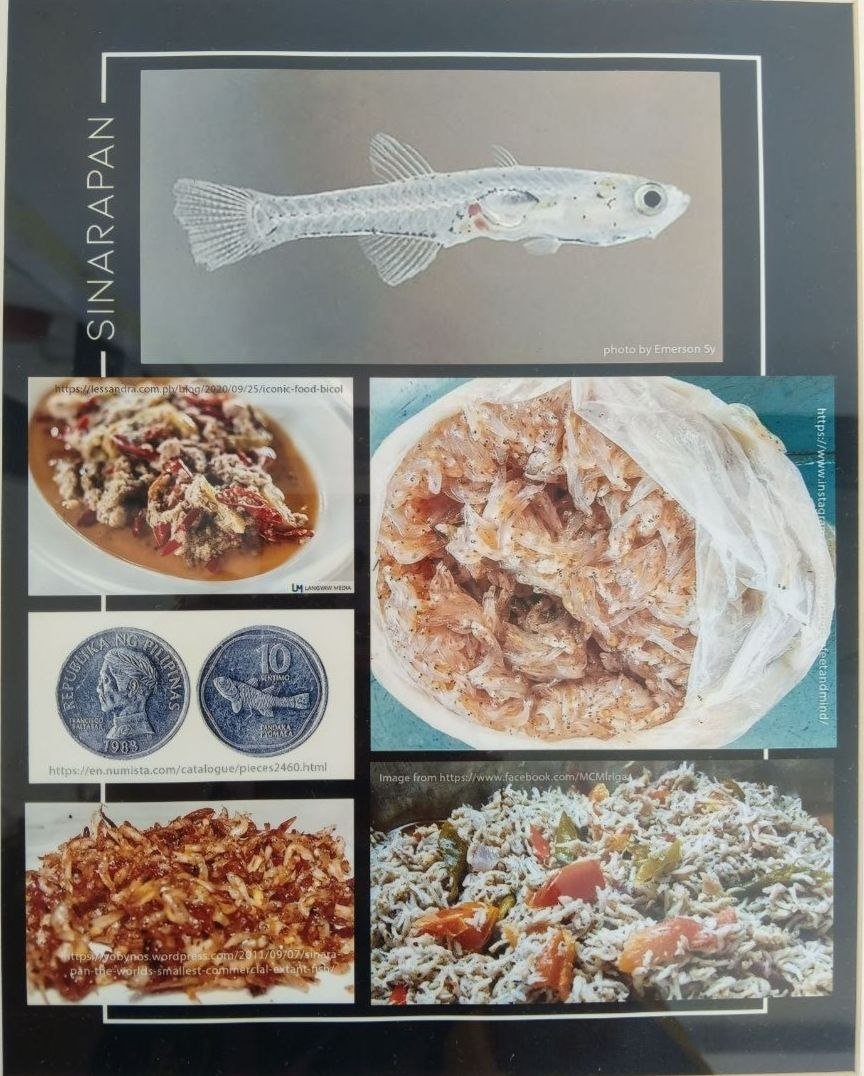
Buhi is a first-class municipality in Camarines Sur and one of the seven local government units comprising the province's Rinconada Lake & Volcanic Basin district. It was established on April 14, 1578 and is situated between Mount Asog (Iriga Volcano) and Mount Malinao. The municipality is particularly known for Lake Buhi, a major freshwater lake and habitat of the sinarapan (Mistichthys luzonensis), recognized as the world's smallest commercially harvested fish. Agriculture, fishing, and weaving are important parts of Buhi's local economy and cultural identity.

Buhi also has a strong traditional handloom-weaving culture, historically known as hinabol and more recently branded as Inabëģ. The weaving tradition produces textiles and products such as blankets, towels, table runners, scarves, and other woven goods.

Documented heritage

Cultural Contributions

Buhi is part of the shared traditions and cultural life of Rinconada.

Lake Fishing Heritage Indigenous Agta/Inland Practices Rinconada Bikol Traditions Abacá Weaving

0

Local artists

Explore Buhi

Buhi: Home of the Pristine Lake, Majestic Mountains, and the World's Smallest Fish

Buhi is a first-class municipality in Camarines Sur and one of the seven local government units comprising the province's Rinconada Lake & Volcanic Basin district. It was established on April 14, 1578 and is situated between Mount Asog (Iriga Volcano) and Mount Malinao. The municipality is particularly known for Lake Buhi, a major freshwater lake and habitat of the sinarapan (Mistichthys luzonensis), recognized as the world's smallest commercially harvested fish. Agriculture, fishing, and weaving are important parts of Buhi's local economy and cultural identity.

Buhi also has a strong traditional handloom-weaving culture, historically known as hinabol and more recently branded as Inabëģ. The weaving tradition produces textiles and products such as blankets, towels, table runners, scarves, and other woven goods.

Source: ejournals.ph

At a glance

Buhi

Explore more

Browse this municipality's gallery and local map entries.

Continue exploring

More Rinconada Municipalities

Baao Baao is a historic Rinconada community known for its agricultural heritage, traditional craftsmanship, religious history, and notable people. Its culture has been shaped by farming, fishing, weaving, faith, and long-standing community traditions. Balatan Balatan, Camarines Sur is a coastal municipality whose identity is strongly connected to agriculture, fishing, and marine resources. Its coastal communities and fishing traditions reflect the importance of the sea to the local economy and way of life. Bato Bato, Camarines Sur is a lakeside municipality established in 1753 and centered around Lake Bato. Its identity is closely connected to agriculture, fishing, freshwater resources, and the sinarapan, making its natural environment an important part of its cultural heritage. Bula Bula, Camarines Sur is one of the province's oldest municipalities, established in 1578. It is an agricultural community known for its rice fields, coconut, corn, and other crops, with a history shaped by its long-standing communities and traditions. Iriga City Iriga City is a historic urban center in the Rinconada area, known for its agricultural heritage, natural resources, and distinctive Iriga and Rinconada culture. Founded as a municipality in 1683 and established as a city in 1968, it has developed into an important center of trade and commerce in the region. Nabua Nabua, Camarines Sur is a historic Rinconada municipality known for its deep religious heritage, agricultural traditions, and vibrant community celebrations. Its long history and cultural traditions make it an important part of the Rinconada area's heritage.

Heritage of Buhi

Legend of Sarikaw

Legend of Sarikaw

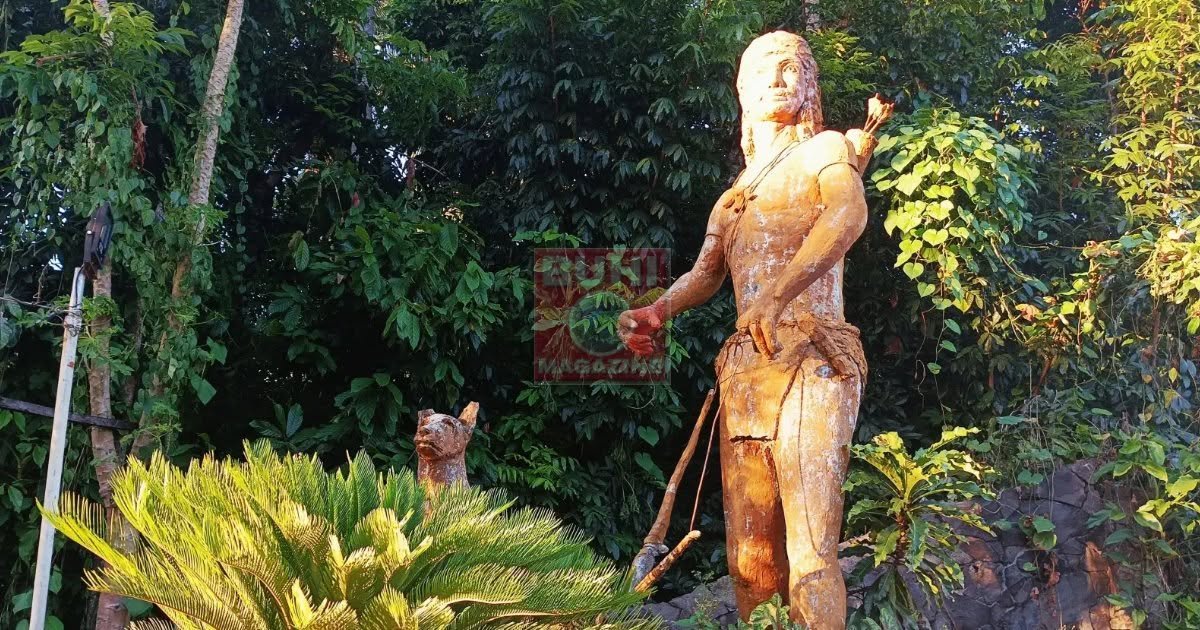
Out of the mist of time when feats of manhood were laid at tribal feasts, an intrepid hunter emerges bigger than life: Sarikaw. And then there was a magician wizard who claims ownership of all animals thriving in the forests of Mount Asog where he lives. One day the hunter and his dog followed a fleeing deer, bleeding until it fell dead at the feet of an angry wizard ignoring the wizard. Ignoring the wizard's threat of a curse, Sarikaw claimed his rightful prize. Sarikaw and his dog, returning for another bounty froze under a moon day sun. A big black owl swooped down and spurted a black liquid all over the duo. Moments later: the man and dog turned into black stone statues. Eroded by years of rain and wind, the stone statue could still be seen today atop the foothills of Mount Asog facing Lake Buhi. Fact or Legend. The People of Buhi are proud of their town's landmark Sarikaw, it is a vivid symbol of the hunter nature of the Nakabuhi tribe who founded Buhi. Today the intrepid Buhinons hunt for their economic bounty here and abroad to bring home bacon and venison. Mayor Diones Belza and Buhi artists Cesar Gumba and Ray Yago built a bigger-than-life replica of the hunter at the boundary of the Buhi-Iriga road in barangay Sta. Justina to tell a story and welcome the 'balikbayans' and visitors with utmost humility and generosity. - I.M. Villadares (22 March 2002)

View Details →

Explore More About Camarines Sur

Discover the rich cultural heritage of all municipalities in the region